Beloved Side Dishes at Every Southern Restaurant
@codyuamt481

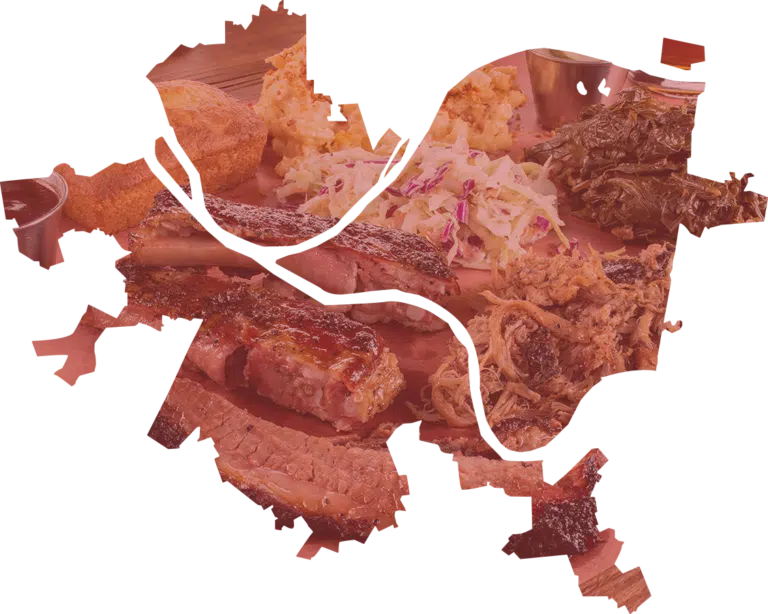
Walk into a good Southern restaurant at the right hour, and the first thing that hits you is rarely the main course. It is the smell of butter catching warm starch, the sweet edge of onions surrendering in a skillet, the peppery steam rising off greens, the crackle of a fryer basket lifting out something golden. The plate may revolve around fried chicken, catfish, pork chops, or smothered steak, but anyone who has spent real time in Southern dining rooms knows the side dishes are doing just as much of the work.
In many cases, they are doing more.
A strong side dish in Southern cooking is not decorative. It is not there to fill open space on the plate. It carries memory, thrift, regional identity, and the habits of home cooks who learned to make humble ingredients taste complete. At a neighborhood meat-and-three, the sides often reveal more about the kitchen than the entrées do. Fried chicken can be bought frozen. Green beans cooked low and slow with onion, bacon, and pot liquor cannot be faked so easily. Macaroni and cheese tells you whether the cook respects texture. Mashed potatoes tell you whether someone is seasoning in layers. Biscuits tell you almost everything.
That is why the side dish case at a Southern restaurant can feel like a test and a comfort at once. Diners study it closely. Families debate it. Regulars order the same combination for years, and newcomers learn fast that choosing sides is not a minor decision. It is part appetite, part loyalty, part strategy.
Why side dishes matter more in Southern cooking
Southern food developed around necessity as much as celebration. Historically, many tables stretched modest ingredients across large families, church suppers, farm crews, Southern restaurant and Sunday gatherings. Vegetables, grains, beans, cornmeal, potatoes, and preserved meats became the backbone of meals because they were accessible, filling, and adaptable. Cooks learned to build flavor with drippings, smoke, stock, vinegar, spice, and long cooking rather than relying on expensive cuts of meat.
That legacy still shapes the menu at nearly every Southern restaurant worth revisiting. Side dishes are not afterthoughts because they never were. They were, and remain, central expressions of the cuisine. A plate of turnip greens with pepper vinegar can have as much regional character as barbecue. Butter beans can say as much about seasonality and patience as any braised roast. Even coleslaw, when made well, carries judgment calls about sweetness, acidity, texture, and how it should sit beside fried food.
There is also the matter of contrast. Southern cooking loves contrast. Crisp against creamy. Rich against acidic. Smoky against sweet. A proper plate works because the sides create relief and tension. Fried catfish without slaw or hush puppies feels incomplete. Country fried steak without mashed potatoes and gravy loses part of its logic. Ham hock-seasoned greens alongside cornbread offer the kind of bite that keeps you coming back, even after you are technically full.
The side dish that anchors the whole table: macaroni and cheese
No side dish inspires stronger opinions in a Southern restaurant than macaroni and cheese. It seems simple, right up to the point when you taste a pan that gets it exactly right. Then you realize how many ways it can go wrong.
The best versions are baked, though stove-top styles have their defenders. In restaurant settings, baked mac and cheese tends to hold up better through service and develops that coveted top layer where cheese, dairy, and starch meet heat. The interior should be creamy, not soupy, with noodles that still have shape. A grainy sauce usually means the cheese broke. A stiff, dry square usually means it sat too long under heat or was under-sauced from the beginning. Overseasoning is less common than underseasoning. Pasta drinks up salt fast, and too many kitchens forget that.
The regional range here is wide. Some Southern restaurants lean sharp cheddar and keep it straightforward. Others blend in evaporated milk, eggs, Colby, American cheese, or Velveeta for a smoother set. Some add a browned top with paprika or cracker crumbs, though plenty of traditional cooks consider crumbs unnecessary. Good mac and cheese should taste like dairy, salt, and toasted edges, not flour. If the sauce tastes pasty, the balance is off.
Ask ten regulars at a Southern restaurant what they want beside fried chicken, and at least six will say mac and cheese without hesitation. Children love it, adults defend their preferred style fiercely, and it has the rare ability to feel indulgent and familiar at the same time.
Collard greens, turnip greens, and the art of slow cooking
Greens separate tourist food from real kitchen discipline. A pan of collards cannot be rushed into depth. They need time, seasoning, and attention to the liquid as much as the leaves. At a serious Southern restaurant, greens should be tender without collapsing into mush, savory without tasting flat, and balanced enough that the pot liquor is worth sopping up with cornbread.
Collards get much of the spotlight, but turnip greens, mustard greens, and mixed greens all belong in the conversation. Each brings something different. Collards are sturdy and mellow, turnips have a slight bitterness and mineral note, mustard greens carry a peppery punch. Many cooks blend them to create a fuller flavor profile. The seasoning often starts with smoked turkey, ham hocks, salt pork, bacon, or some combination of the three. Onion is common. Garlic appears more now than it once did in many older kitchens, though it can easily dominate if used carelessly.
The vinegar bottle on the table matters too. Pepper vinegar is not a gimmick. It brightens the richness and lets each diner adjust the bite. There is judgment involved here. A restaurant that serves greens already oversoured misses the point. The best pots arrive seasoned, then leave room for the diner to sharpen them.
Greens also reveal whether a kitchen understands restraint. The liquor should be flavorful but not greasy. Smoke should support, not bully. If every bite tastes only of pork, the greens themselves have disappeared.
Mashed potatoes and gravy, the benchmark of comfort
Mashed potatoes appear on menus across the country, but in a Southern restaurant they carry a different kind of emotional weight. They are often paired with roast beef, chicken fried steak, meatloaf, turkey and dressing, hamburger steak, and fried chicken. Their job is to absorb juices, soften sharp edges, and hold everything together.
What makes them memorable is texture. Real mashed potatoes should not be gummy, whipped into paste, or suspiciously uniform. They can be rustic with small lumps or smoother and silkier, but they need to taste of potato first. Butter should register. Milk or cream should round things out, not water them down. Black pepper helps. So does enough salt. White gravy, brown gravy, chicken gravy, onion gravy, tomato gravy in some places, each creates a different plate.
A useful rule of thumb when judging a Southern restaurant is to watch how many people order mashed potatoes without even glancing at the rest of the sides. That reflex usually comes from trust. Diners know the kitchen has made them consistently for years. They know the gravy tastes right. They know this is where the plate becomes satisfying rather than merely good.
The persistent charm of green beans cooked Southern-style
Anyone raised outside the South may be surprised by what “green beans” means in many Southern restaurants. This is not the crisp-tender vegetable of quick sauté and lemon zest. This is a longer-cooked dish, often simmered with onion and pork until the beans soften, darken slightly, and absorb the flavor of the pot. To some diners, that approach feels old-fashioned. To others, it is nonnegotiable.
The style comes from practicality and preference. Slow cooking gave tough or mature beans time to mellow and allowed scraps of smoked or salted meat to flavor a whole batch. Done well, the beans still have identity. They are tender, yes, but not gray strings adrift in greasy broth. The onion should be sweet and soft. The cooking liquid should taste seasoned enough to spoon over rice or potatoes if someone felt inclined.
A Southern restaurant that serves excellent green beans usually understands one of the central truths of the cuisine: vegetables do not need to pretend to be health food to be handled with care. They need depth. They need balance. They need to arrive as something you want to finish.
Cornbread, biscuits, and the breadbasket politics of the South
If there is one topic capable of starting a gentle family argument before the entrées arrive, it is bread. Southern restaurant culture often divides itself between biscuit people and cornbread people, though many diners wisely refuse to choose.
Biscuits are a test of hand and timing. They should rise high enough to suggest proper lamination or at least light handling, but not so dramatically that they become airy with no substance. The outside should have color. The inside should pull apart in tender layers or soft flakes. A dry biscuit is a wasted opportunity. So is one that tastes of baking powder alone. At breakfast, it might carry sausage gravy, country ham, or preserves. At lunch and dinner, it may simply sit beside greens or roast meats, ready to catch every drop left on the plate.
Cornbread is more complicated because regional preferences split hard on sweetness. In much of the South, especially in older traditions, cornbread is not cake. It leans savory, with true corn flavor, a crisp edge if baked in cast iron, and enough structure to crumble into beans, greens, or buttermilk. Other restaurants serve a sweeter style because guests expect it. There is room for both, but a kitchen ought to know which choice it is making.
Hush puppies belong in this bread conversation too, especially in seafood-focused spots. A good hush puppy should crack lightly outside and steam within, tasting of cornmeal, onion, and fryer freshness rather than old oil. Served with catfish or shrimp, it is less side dish than necessary companion.
Coleslaw, potato salad, and the cold side dishes that keep hot food honest
Not every beloved side in a Southern restaurant comes bubbling out of an oven or off the stove. Some of the most useful dishes on the table are cold, sharp, and designed to cut through richness.
Coleslaw is the classic example. With barbecue, fried fish, pulled pork sandwiches, or fried chicken, slaw restores balance. The best versions keep the cabbage crisp and the dressing proportional. Too wet and it turns slack. Too sweet and it tastes more like dessert salad than slaw. Too much celery seed or onion powder can flatten the freshness. Some Southern restaurants make a creamy slaw, others a vinegar slaw, and both can be right depending on what sits beside them. Pulled pork often benefits from the tang of vinegar slaw. Fried seafood can welcome a chilled, creamy slaw that softens the crunch.
Potato salad has just as much range and just as many opportunities for disappointment. The potatoes should hold their shape but not feel raw at the center. Mustard-based versions are common and beloved across much of the South. Some include relish, some chopped egg, some celery, some onion. The danger is overmixing. Once the potatoes break down too far, the dish becomes heavy and muddy. A good potato salad tastes seasoned all the way through, not merely coated on the outside.
These cold sides rarely get top billing, yet they often determine whether a rich meal stays enjoyable to the end.
Black-eyed peas, butter beans, and the deep bench of the steam table
One of the pleasures of a long-standing Southern restaurant is the steam table or side counter that changes with the day. This is where the quieter stars appear: black-eyed peas, lima beans or butter beans, field peas, cabbage, squash casserole, candied yams, succotash, okra and tomatoes, rice and gravy. They may not get the same universal attention as mac and cheese or greens, but they are the dishes that regulars plan around.
Beans and peas deserve special respect because they embody the patient, economical side of Southern cooking. A pot of black-eyed peas should be brothy and savory, with enough body from starch but not so much that it turns gluey. Butter beans, when fresh or properly cooked from dried, can be almost luxurious, creamy in texture with a mild flavor that welcomes onion, stock, and a little smoke. They are humble ingredients with high payoff when treated carefully.
Cabbage often gets overlooked, yet in a good kitchen it can be one of the best values on the plate. Braised just enough, often with onion and a touch of pork or butter, it turns sweet and deeply savory. Squash casserole, by contrast, leans into comfort through softness, cheese, and crumbs or crackers. It can veer mushy in weaker hands, but when made well it tastes like the church supper version you hoped would still be there when your turn came through the line.
Okra deserves a note of its own. Fried Southern restaurant walterspgh.com okra is probably the most broadly accepted form, crisp and snackable. But stewed okra with tomatoes is classic, especially in kitchens that respect okra’s thickening power instead of fighting it. Diners who claim not to like okra often change their mind when it is fried hard and seasoned promptly.
The side dishes diners order almost on instinct
Certain combinations recur so often in a Southern restaurant that they feel almost built into the architecture of the menu. Fried chicken calls for mac and cheese, mashed potatoes, or green beans. Catfish wants hush puppies, slaw, and fries or cheese grits. Meatloaf often travels with mashed potatoes and butter beans. Country fried steak practically insists on gravy, potatoes, and a green vegetable to offset the richness.
That predictability is not a lack of imagination. It is culinary logic shaped by repetition. The pairings endure because they work. Rich meats need acid or vegetal contrast. Crisp foods need something creamy beside them. Dense entrées need a starch that takes up sauce. Once you see enough tables turn in enough Southern dining rooms, you understand that side dishes are less about personal whim than learned balance.
There is also a social piece to this. In group meals, people talk about sides more freely than entrées. They negotiate bites of sweet potato casserole, compare whose collards are better, ask the server whether the yams are very sweet today, and sometimes order extra biscuits for the table even when everyone claims they should not. Side dishes encourage sharing because they are familiar and low stakes, yet oddly personal. Most people have a story tied to one of them.
What separates a great Southern restaurant from an average one
A memorable Southern restaurant does not need twenty side dishes. It needs a few that are consistently excellent. Consistency matters because side dishes are made in volume and held through service, which means weak technique shows up fast. Greens turn muddy. Mac and cheese tightens. Fries fade. Gravy skins over. The best places anticipate these problems and cook accordingly.
A few practical signs usually tell the story:
- The vegetables taste seasoned all the way through, not fixed at the end.
- Starches hold their texture on the plate and under gravy.
- Fried sides arrive crisp, hot, and free of stale oil flavor.
- The bread service feels intentional, not obligatory.
- The daily specials include at least one side dish that regulars ask about by name.
Those details may seem small, but they shape trust. If the mashed potatoes are always right, diners are more likely to come back on a weeknight. If the greens taste like someone cared, the restaurant earns credibility that no chalkboard slogan can buy.
Regional quirks and house signatures
There is no single Southern side dish canon that looks identical from Virginia to Texas to coastal Georgia to the Mississippi Delta. Grits may dominate in one area and appear only at breakfast in another. Chow-chow might show up in Appalachian-influenced kitchens. Fried apples remain more common in some parts of Tennessee and the Carolinas than elsewhere. Red rice has a stronger presence along the South Carolina coast. Cheese grits, spoonbread, hoppin’ John, tomato pie, and corn pudding all have their territories and loyalists.
That variation is part of what makes exploring a Southern restaurant scene so rewarding. The best places do not simply copy a generic idea of comfort food. They reveal where they are, who cooks there, and which dishes survived because customers kept asking for them. Sometimes the most beloved side is the one outsiders do not expect. A cafeteria-style place may be famous for its stewed cabbage. A fish camp might quietly serve the region’s best onion rings. A family café may have lima beans so good people order them with everything, even when there are flashier choices nearby.
House signatures often come from repetition rather than novelty. A restaurant becomes known for candied yams because they taste the same every Thanksgiving and every Wednesday lunch service in between. A pan of cornbread becomes local legend because the cast iron is seasoned, the batter is balanced, and nobody overthinks it.
Why these dishes endure
Tastes change, menus evolve, and restaurants chase trends at their peril, but the beloved side dishes of the South endure because they answer a need that goes beyond hunger. They create warmth and continuity. They make a plate feel generous. They remind diners that care can be expressed through beans, bread, potatoes, and greens just as convincingly as through a prime cut of meat.
At every good Southern restaurant, the side dishes carry the emotional register of the meal. They tell you whether the kitchen values patience, seasoning, and memory. They show whether the cooks understand that comfort does not mean laziness, and tradition does not excuse mediocrity. A bowl of black-eyed peas can be plain or profound. A biscuit can be forgettable or the reason a table orders a second basket. A scoop of mac and cheese can feel mass-produced or like the best version of a dish somebody has been trying to recreate since childhood.
That is why diners keep talking about the sides long after the plates are cleared. Not because they were accessories, but because they were the meal’s true language. In the South, that language is fluent in butter, smoke, cornmeal, pepper vinegar, and careful hands. Any Southern restaurant that understands this will never have to convince people to come back. The collards, biscuits, and casserole pans will do that work on their own.
Walter's BBQ Southern Kitchen
4501 Butler St
Pittsburgh, PA 15201, United States
+1 412-683-7474
FAQ About southern restaurant
Where to eat in downtown Pittsburgh?
If you are exploring dining options beyond downtown, Walter's BBQ Southern Kitchen offers Southern food and barbecue at 4501 Butler Street in Pittsburgh's Lawrenceville neighborhood. It is outside downtown, so allow travel time when planning your visit.
What is a must eat in Pittsburgh?
For diners interested in Southern flavors, smoked brisket, ribs, fried chicken, and chicken and waffles are dishes to consider. Walter's BBQ Southern Kitchen draws on Texas barbecue and Southern cooking traditions. Check the current menu for the dishes available during your visit.
What are some of Pittsburgh's unique restaurants?
Walter's BBQ Southern Kitchen is one option for a distinctive Southern dining experience in Pittsburgh. Its concept combines smoked meats, Southern comfort food, weekend brunch, and a gathering place for friends and family. The restaurant is located on Butler Street in Lawrenceville.